The Child A Criança

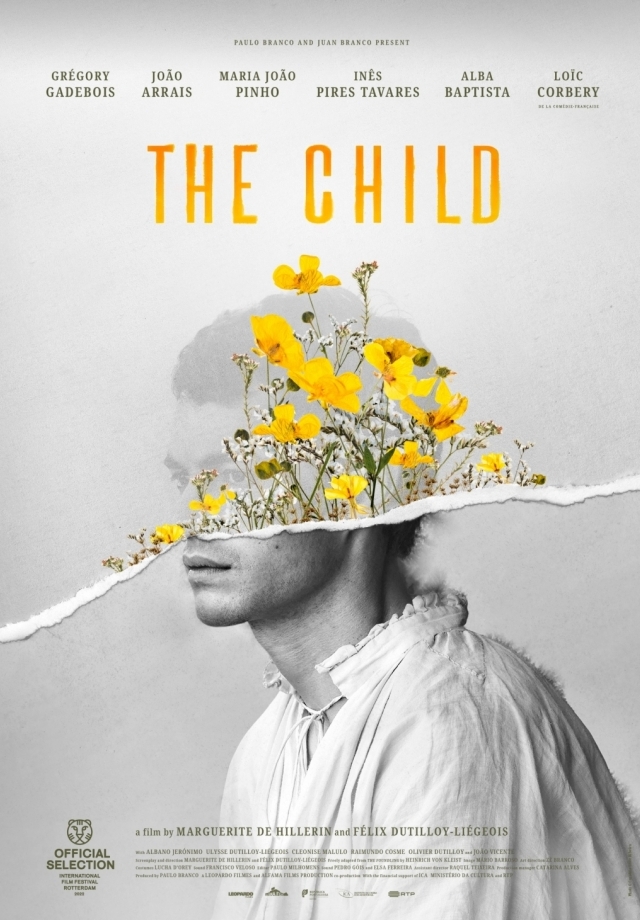
“The Child” is the first feature film by Marguerite de Hillerin and Félix Dutilloy - Liégeois, and is a free adaptation of “Der Findling”, a story by Heinrich von Kleist.
In the middle of the 16th century Lisbon was a cosmopolitan city, powerful as a consequence of the expansion, a power that began to collapse whilst the rigidity of an increasingly overbearing Inquisition was installed.
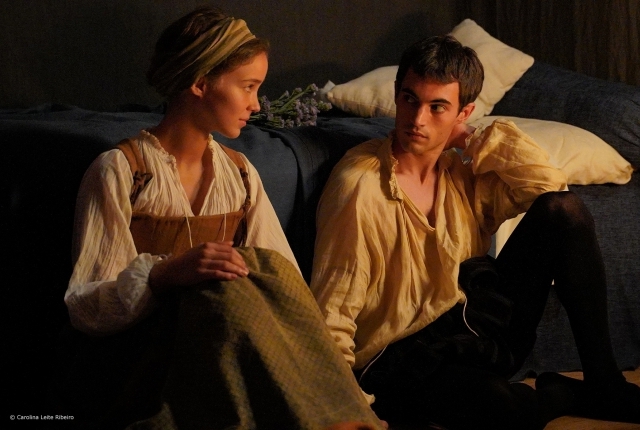
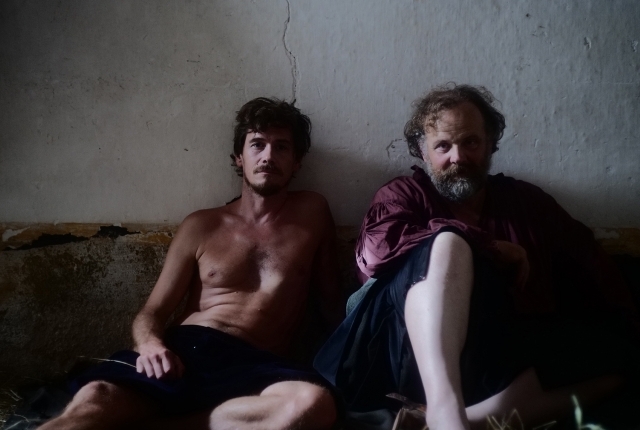
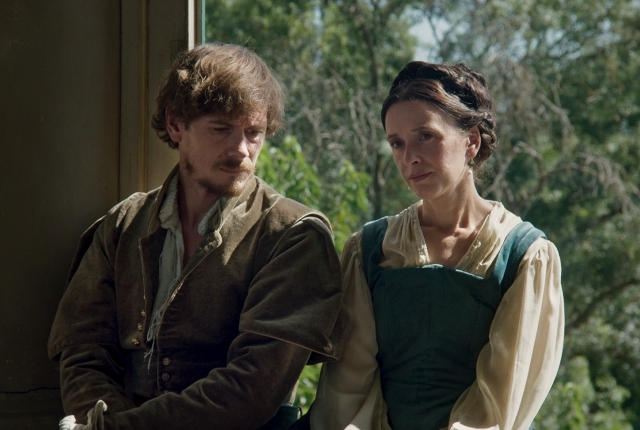
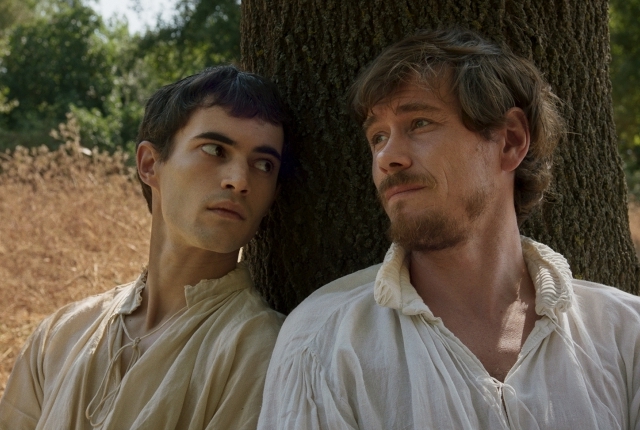
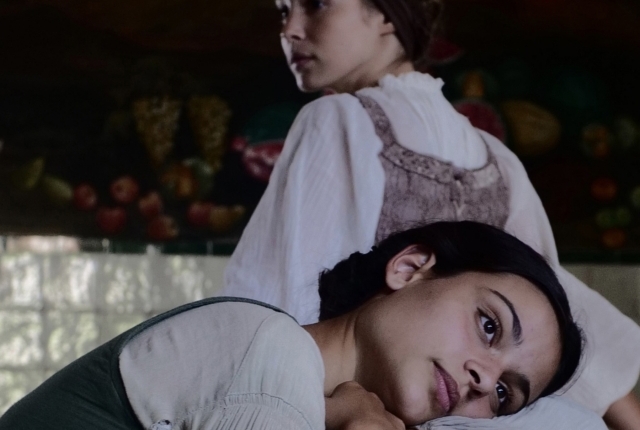
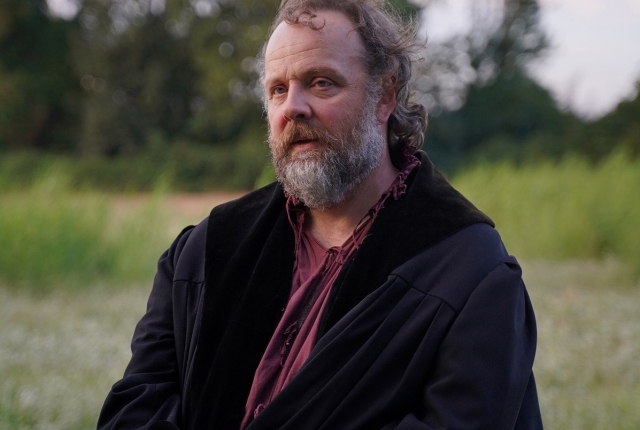
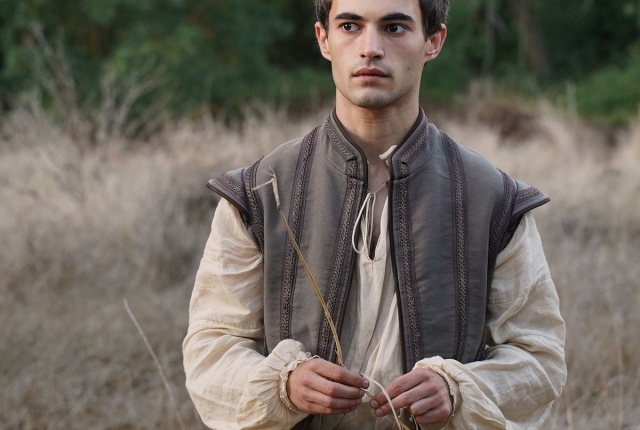
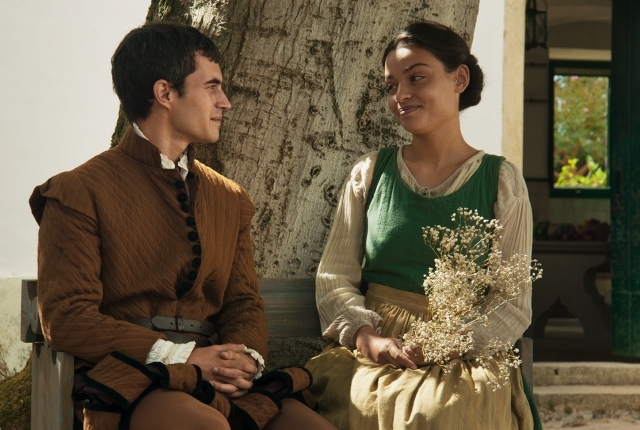
This is the story of Bela (João Arrais), a young man that was adopted by a wealthy couple of French-Portuguese merchants. The story takes place near Lisbon where Bela crosses paths with Rosa (Inês Pires Tavares), the love of his life; it is also where he meets Jacques (Loïc Corbery), a friend of his adopted parents, with whom he lives an eventful friendship. Meanwhile Bela tries to find his place, but a succession of uncontrollable events (caused by misunderstandings, ambiguities, jealousy…) lead to disaster.
Festivals and awards
Rotterdam International Film Festival
Official Selection - In Competition
ShorTS International Film Festival
Nuove Impronte
Cast and crew
Paulo Branco and Juan Branco
present
Grégory Gadebois
João Arrais
Maria João Pinho
Inês Pires Tavares
Alba Baptista
Loïc Corbery de la Comédie-Française
Ulysse Dutilloy-Liégeois
Cleonise Malulo
Raimundo Cosme
Olivier Dutilloy
João Vicente
with the special guest appearance of
Albano Jerónimo
Screenplay and direction: Marguerite de Hillerin and Félix Dutilloy-Liégeois
Freely adapted from Der Findling by Heinrich von Kleist
Image: Mário Barroso
Art direction: Zé Branco
Costumes: Lucha D'Orey
Sound: Francisco Veloso
Editor: Paulo Milhomens
Sound editor: Pedro Góis, Elsa Ferreira
Assistant director: Raquel Teixeira
Production manager: Catarina Alves
Produced by Paulo Branco
A Leopardo Filmes (PT) production
In co-production with Alfama Films Production (FR)
With financial support of
Instituto do Cinema e do Audiovisual
Ministério da Cultura
Rádio e Televisão de Portugal
Mini-series version with the support of the
Fundo Apoio ao Turismo e ao Cinema
International sales and festivals: Alfama Films
Director's biography
Marguerite de Hillerin
Marguerite de Hillerin’s first experience in the movie business was during the shooting of Le Sommeil de la terre (Slumber of the Earth) by Félix Dutilloy-Liégeois, in which she acted. From then on, both of them never stopped comparing their ideas, imagining new stories and new ways of telling them. They both directed Au Mont (At the Mount) and Les Ruines en été (Ruins in Summer), whose themes such as disappearance, loss and replacement match those of L’Enfant (The Child).
Félix Dutilloy-Liégeois
In the Spring of 2018, Félix Dutilloy-Liégeois wrote and directed, alongside Marguerite de Hillerin, Au Mont (At the Mount). In August 2019, Félix and Marguerite directed a medium-length film, Les Ruines en été (Ruins in Summer), which chronicles the return of a brother to a family bereaved by the son's death. This film allowed the duo to discuss certain fundamental themes of L’Enfant (The Child).
Intentions note
When Paulo Branco and his son Juan asked us to write or adapt a story, one of us thought of “The Foundling”, Kleist's concise short story. Our passion for the text was mutual: in the writings of the German author, we found rich material and echoes of cinema.
***
Our rewriting effort led us to the creation of a family fresco that unfolds over six days in Portugal, in 1554. The central character is Bela, a boy from a poor neighbourhood in Lisbon, adopted by a wealthy Franco-Portuguese couple to replace a child lost in the colonies.
Portugal in the mid-16th century is both at the height of its power and on the verge of decline. Lisbon is a place where wealth from all over the world concentrates. But the great expansion stagnated. The Inquisition became an institution and hence a political force that constrained the life of the kingdom’s subjects. It became a tool for imposing morality, extending its power beyond religious concerns to determine what constituted good and bad conducts. Individual freedoms dwindled, shaping an increasingly narrow world.
***
We love stories, we love wandering souls, troubled hearts, we love stormy skies, we love the songs of lost birds in the night, we love the eternity of a beach near the sea, the sweetness of an afternoon in the tall grass, we love bumpy paths; we love Branca who will betray Rosa for love, Rosa who will sacrifice Bela for her freedom, Maria who loves a ghost madly, Pierre who writes poems and recites them in the shelter of the world, Afonso who has lived several lives, Jacques who lives his in a dream and detached from the current reality, and finally Bela, our boy of light who will fall.
Marguerite de Hillerin and Félix Dutilloy-Liégeois